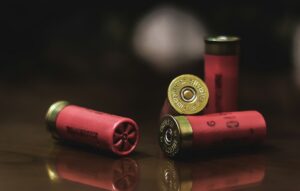
An ammunition lot number identifies a production batch. It can help a manufacturer, retailer, or owner distinguish one batch from another when a question, notice, or performance concern appears. Recording it takes seconds and beats trying to reconstruct a cardboard box that entered recycling three months ago.
Find the Lot Information
Look for a printed, stamped, or labeled code on the box or case. Its format and location vary by manufacturer. Do not confuse it with the product name, UPC, order number, or shipping label.
If you cannot identify the code, photograph all package markings and ask the seller or manufacturer. Do not guess which string is the lot number.
Keep the Original Packaging
Original boxes preserve caliber, shell length, shot or projectile information, warnings, quantity, and lot details together. That connection becomes important once several similar products share a shelf.
Store packaging in a dry condition according to manufacturer guidance. If an outer case is too large to retain, keep at least the relevant labeled panels with the inner boxes.
Add the Number to Your Inventory
Record the brand, product, lot number, purchase date, seller, and quantity. A simple spreadsheet or notebook works. The system should be easy enough to update every time ammunition arrives.
Link the record to a photo of the label, but keep personal order details private. Clear filenames are helpful; “ammo photo new final” is less helpful than it sounds today.
Do Not Mix Unidentified Ammunition
Avoid combining different products or lots in one unmarked container. Similar-looking shells may have different specifications. Keep each product with its correct label and warnings.
Before use, compare the package information with the firearm owner’s manual and range rules. The sporting ammunition page can introduce current products, but the physical box remains the immediate reference for what you possess.
Use Lot Data When Reporting a Concern
If you notice damaged packaging, unusual appearance, or another concern, stop and contact the manufacturer or seller. Provide the product name, lot number, purchase details, and clear photos without attempting to recreate a malfunction.
Describe observations rather than conclusions. “Three shells show visible corrosion” is more useful than declaring an entire production process defective.
Check Notices Through Official Sources
Manufacturers may use lot information in safety notices or recalls. Follow official instructions exactly and do not use affected ammunition while seeking clarification.
Do not treat an unrelated social media post as a notice for your product. Match the manufacturer, product, and lot information through an official source.
Connect the Lot to Range Notes
When you test a lawful, compatible load at an approved range, note the lot alongside basic observations such as firearm used, date, and any issue reported to staff. Keep notes factual and high level.
For preparation, use Red Star’s range-day guide and follow all facility commands. Records should support safe review, not encourage improvised testing.
Rotate and Review Inventory
Arrange stored ammunition so older purchases remain visible and inspect packaging periodically for moisture or damage. Follow the storage guidance in Shotgun Ammo Storage 101.
An ammunition lot number is a small code with a useful job. Keep it connected to the original label, purchase record, and any range notes. Good documentation cannot prevent every problem, but it can make the next question much easier to answer.