
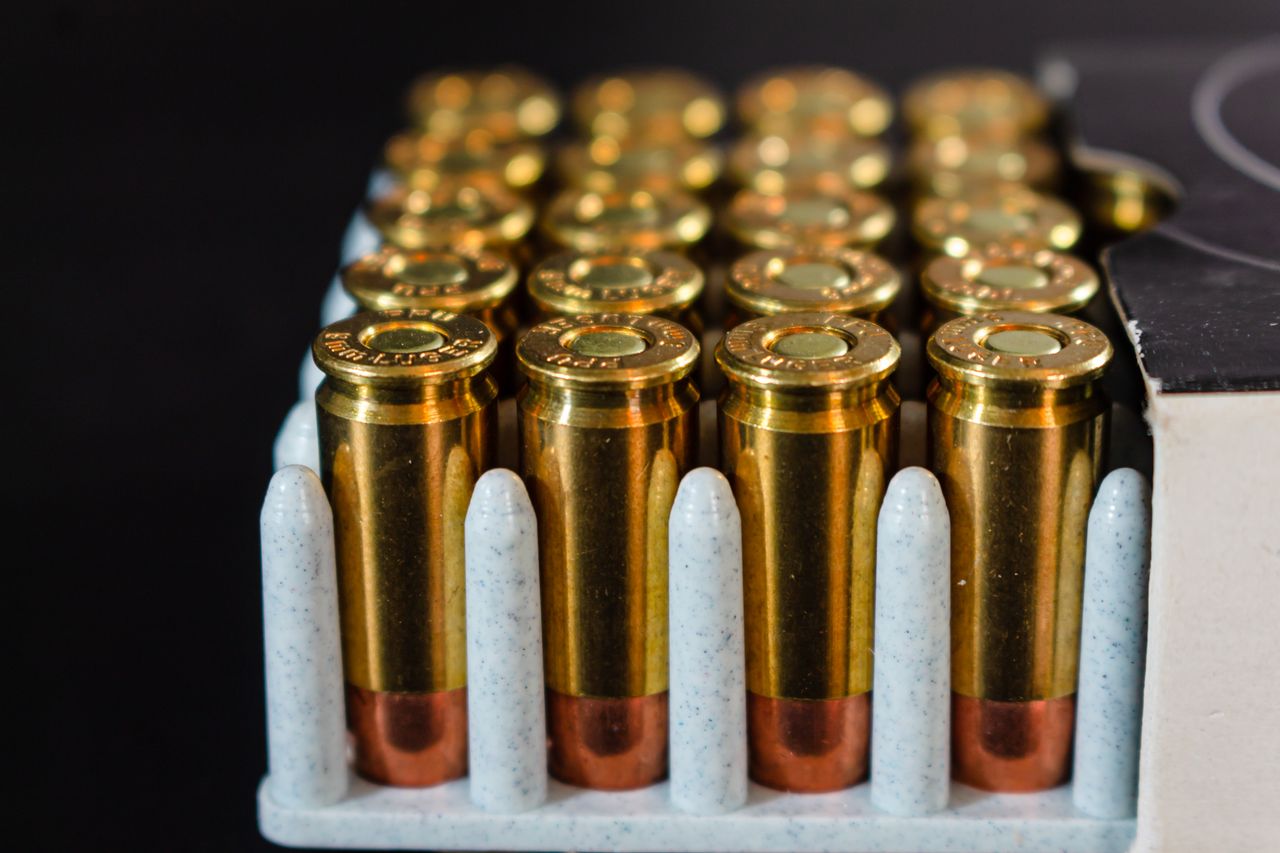
Ammunition inventory rotation keeps older purchases visible and records connected to the correct boxes. It does not require warehouse software or tiny forklifts. A labeled shelf, purchase dates, and periodic inspection can reduce forgotten stock, mixed products, and mystery containers.
Inventory What You Have
List each product by manufacturer, complete name, caliber or gauge, shell length where applicable, lot number, quantity, and purchase date. Count sealed and opened boxes separately.
If an item cannot be identified from its original label, do not guess. Isolate it safely and ask a qualified professional or manufacturer for guidance.
Keep Packaging With the Product
Original packaging carries specifications, warnings, and lot information. Do not pour several boxes into a generic container simply to make the shelf look tidy.
If you use an outer storage container, label it without covering the factory boxes. Organization should add information, not erase it.
Arrange Oldest Purchases Forward
Place older suitable stock where you see it first, while keeping different products and lots clearly separated. Use purchase date labels that remain legible without opening boxes.
Rotation does not mean using ammunition that shows damage or questionable storage history. Condition and official guidance always override the date order.
Check the Storage Environment
Follow manufacturer guidance for a cool, dry, secure location away from unauthorized access. Inspect for moisture, corrosion, damaged packaging, pests, and other changes.
Red Star’s ammunition storage guide explains core storage considerations. Address the source of moisture instead of merely moving a wet box to a different shelf.
Record Opened Boxes
Mark the date a box was opened and record the remaining quantity. Keep the product label and lot number with the contents. Do not mix leftovers from different boxes unless the original identification remains unambiguous.
A quick count after range day prevents the inventory from becoming a collection of optimistic estimates. “About half a box” is not a unit your future checklist can use well.
Review Before Range Day
Select only ammunition compatible with the firearm manual and permitted by the facility. Recheck the box label and inspect packaging before transport.
Use Red Star’s range ammunition rules guide and contact the range when requirements remain unclear. Storage order does not determine range approval.
Handle Questionable Stock Properly
If ammunition shows corrosion, water exposure, severe packaging damage, or other concerns, separate it from usable stock and seek official disposal guidance. Do not test questionable ammunition to see whether it still works.
Follow local regulations and qualified instructions for disposal. Ordinary household trash or improvised disassembly is not an appropriate plan.
Set a Review Schedule
Choose a realistic interval, such as after each purchase and several times per year. Update quantities, review labels, and confirm that access controls still suit the household.
For current product identification, consult Red Star’s sporting ammunition page. Ammunition inventory rotation works because it is simple: preserve labels, keep dates visible, inspect conditions, and never let an unidentified round become the oldest resident of the shelf.


