Ammunition cost per round gives buyers a common unit for comparing boxes and cases. The calculation is simple, but the useful version includes shipping, taxes, fees, and the actual purpose of the load. A low headline price can become less exciting after the cart finishes collecting souvenirs.
Start With the Basic Calculation
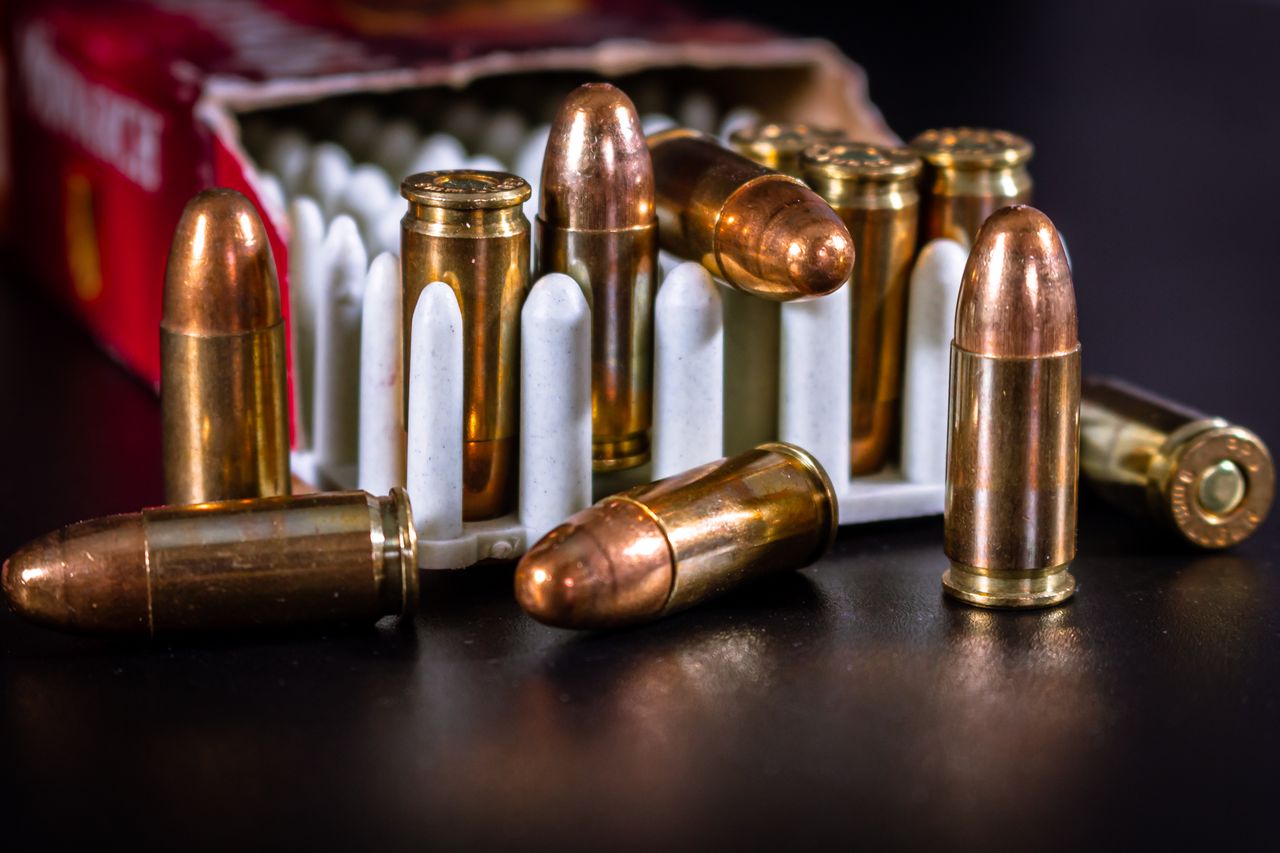
Divide the total product price by the number of rounds. A $150 case containing 250 rounds has a product cost of $0.60 per round. Use the stated quantity, not the size of the box in the photograph.
Write the calculation beside each option. Comparing memory against memory tends to favor whichever price you saw last.
Use the Delivered Total
Add shipping, taxes, adult-signature charges, and other required fees before dividing by quantity. The delivered cost per round reflects what leaves your account, not what appears in the largest font.
For current products, review Red Star’s sporting ammunition selection and calculate from the final cart total available to your location.
Compare Equivalent Loads
Do not compare different shell lengths, shot sizes, projectile types, or intended applications as if price were the only difference. Check the manufacturer’s box label and confirm compatibility with your firearm’s manual.
A lower cost does not make an unsuitable load appropriate. The firearm, lawful purpose, and range rules must all agree before price enters the conversation.
Account for Box and Case Quantity
Bulk packaging can reduce the unit price, but it also increases the amount you must store, transport, and use responsibly. Confirm the exact number of boxes and rounds in the case.
If you are testing a new load, a smaller quantity may be more sensible than a large case. A bargain becomes theoretical when most of it remains unused because the load does not suit your needs.
Include Storage Costs
Safe, dry, organized storage may require suitable containers, shelving, labels, or environmental control. Review guidance on 12 gauge ammunition storage before ordering more than your storage area can manage.
Preserve original labels and rotate older purchases forward. Anonymous loose shells make both cost tracking and safe identification harder.
Separate Practice and Specialty Needs
Calculate practice ammunition and specialized loads in separate groups. Their purposes, performance expectations, and prices may differ substantially. One blended average can hide how much each activity actually costs.
Estimate realistic annual use rather than multiplying a perfect range schedule by twelve. Calendars and weather have a way of editing ambitious plans.
Watch for Quantity Restrictions
Confirm seller limits, local laws, carrier rules, and range restrictions before purchase. A case price has little value if it cannot lawfully be delivered, stored, or used where you planned.
Use the retailer’s current terms and appropriate local authorities. Do not rely on a previous order as proof that every future order follows the same rules.
Record the Purchase
Save the product name, lot information, quantity, delivered total, and purchase date. This record helps compare future prices and identify which load you tested.
Before range day, review ammunition rules with the facility. Ammunition cost per round is a useful budgeting tool, but only after the load, quantity, delivery, storage, and range all fit the plan.