OrMany first-time shotgun owners assume buckshot spreads like movie magic. Then they hit the range and discover reality exists. That is why shotgun pattern testing basics deserve a spot near the top of every beginner checklist. Pattern testing shows how a specific load performs from your shotgun at specific distances. That knowledge builds confidence fast.
Red Star Ordnance currently lists a 12 Gauge 9 Pellet 2 3/4 in load and a 250-round case option in its sporting ammunition lineup. The product page lists 00 buck, 9 pellets, 2 3/4-inch shell length, and 1200 ft/s muzzle velocity, which makes it a practical reference point for a first pattern session.
Start Close And Learn What The Shotgun Actually Does
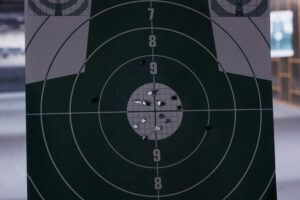
Do not start at a distance that turns your target into a mystery. Begin at a manageable range and fire one round at a clearly marked aiming point. Walk up and inspect the pattern. Count pellet hits. Note spread size. Look for consistency.
This part surprises a lot of new owners because the pattern often stays tighter than expected. That is helpful. It means the shotgun gives you more control than myth suggests. It also means you should learn it honestly instead of borrowing ideas from old action movies and that one uncle who speaks only in range folklore.
Change One Variable At A Time
Good pattern testing stays simple. Use the same target size, same pace, and same point of aim. If you change distance, keep everything else the same. If you change the load, start the comparison over in a clean, organized way.
Chaos ruins useful data. Order creates it. A notebook helps here too. Write down the load, distance, and pattern size. That way, the next session starts from real information, not from the classic memory of “I think that first target looked pretty solid.”
Pay Attention To Recoil And Follow-Through
Pattern testing does more than show pellet spread. It also teaches how the load feels in your hands. Notice how the shotgun pushes. whether your cheek weld stays consistent. Notice whether the sights come back into place smoothly after each shot.
That feedback matters because good shotgun work depends on control. If the load feels predictable and comfortable, you will shoot it better. That does not sound glamorous, but practical confidence beats glamorous confusion every single time.
Try Slugs On A Separate Track
Do not mix slug evaluation into buckshot pattern work like it is all one big family reunion. It is not. Slugs deserve their own target, distance plan, and notes. Red Star Ordnance lists a 12 Gauge 1oz 2 3/4 in rifled slug and a 200-round case option, both shown as 1-ounce slugs with 1600 ft/s muzzle velocity on the product pages.
Running buckshot and slugs on separate targets keeps your data clean. It also helps you understand how different loads change the overall shooting experience. That kind of clarity makes future range trips much more productive.
Build A Repeatable Range Routine
The best part of shotgun pattern testing basics is repeatability. Once you have a method, you can return to it anytime. Bring the same targets, run the same distances, and compare results over time. That makes every outing more useful.
A simple, honest pattern test teaches more than a pile of internet opinions. It shows what your shotgun and your chosen load actually do. That is the information that counts.
When you want to explore more from the Red Star Ordnance lineup, use the homepage.