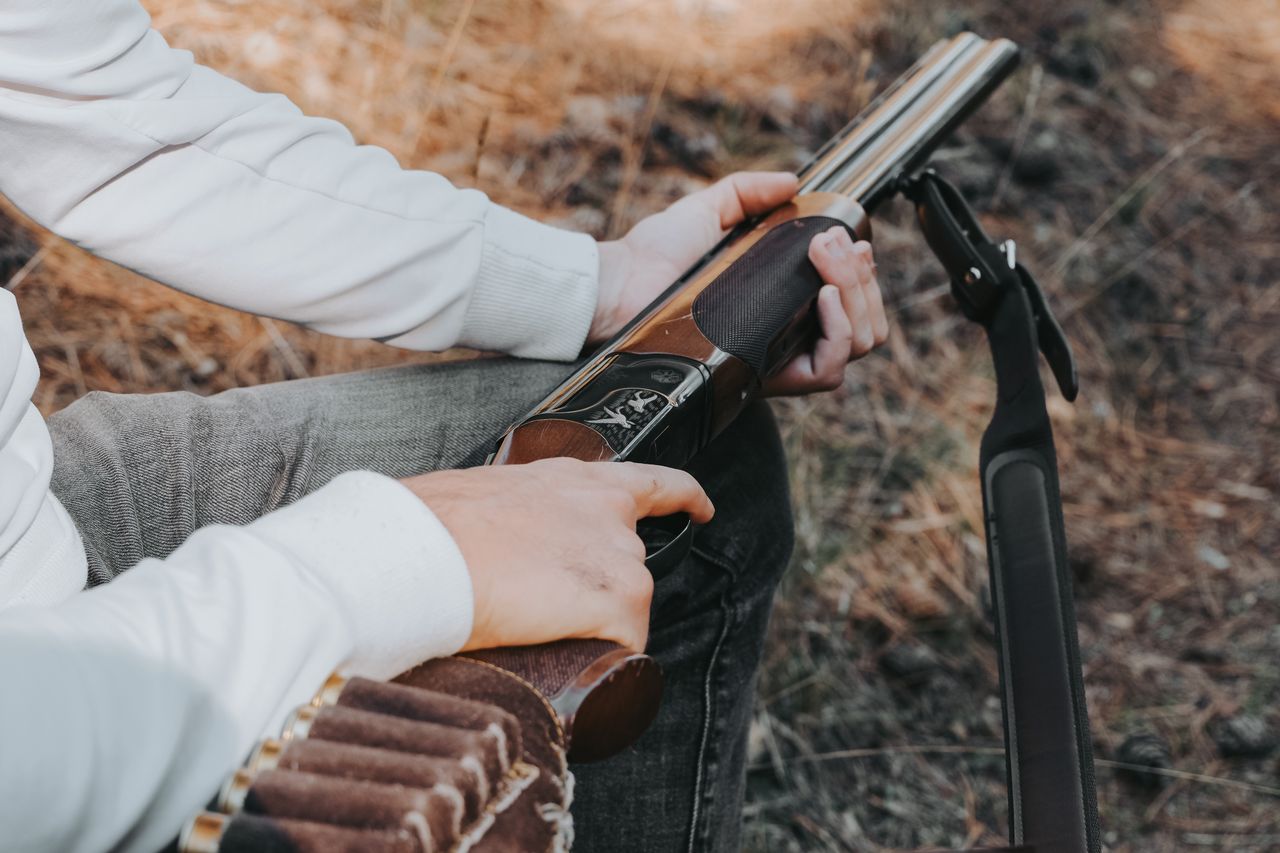
Notes after testing a new shotgun load can help you remember what you used and whether it suited the lawful purpose, firearm, and facility. Useful records stay factual. They do not turn one range session into a universal verdict or encourage repeated use after a safety concern.
Record the Exact Product
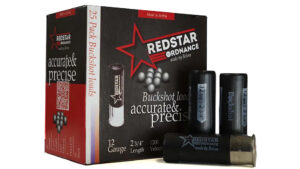
Copy the complete product name, gauge, shell length, shot or projectile information, velocity when listed, and lot number from the box. Photograph the label and keep the packaging.
Do not identify the load by box color alone. Packaging designs change, and several products may use similar artwork.
Identify the Firearm
Record the firearm’s exact model and any configuration detail relevant to the manufacturer’s instructions. Keep serial information private and outside casual range notes.
Confirm compatibility before the session through the firearm manual and ammunition packaging. Notes document a lawful test; they do not create permission to use an unsupported load.
Note the Facility and Rules
Write the range name, date, approved target type, and the staff guidance that applied. Rules can affect what you were able to observe and may change before the next visit.
Review range ammunition restrictions again next time. Yesterday’s approval should not become a lifetime membership card for every load.
Keep Performance Notes Neutral
Record whether the firearm operated normally, how the recoil felt to you, and whether the load met the session’s planned purpose. Use plain descriptions and avoid claiming technical causes you did not verify.
Personal recoil impressions vary with firearm, fit, stance, experience, and expectations. Label them as your experience, not a specification printed by the universe.
Stop After a Safety Concern
If you observe a suspected malfunction, unusual sound, damaged shell, or other safety issue, stop and follow range commands and manufacturer guidance. Do not repeat the event to improve the notes.
Record what happened immediately before the stop, the product and lot, and whom you contacted. A short factual timeline is more useful than a dramatic conclusion.
Track Quantity and Cost
Note how many rounds you brought, used, and returned to storage. Add the delivered cost per round if budgeting matters. Keep the remaining ammunition in its labeled box.
For future options, review Red Star’s sporting ammunition products and compare equivalent specifications rather than price alone.
Include Storage Follow-Up
Return unused ammunition to a secure, dry, organized location. Check the box for damage during transport and update your inventory quantity.
Use the shotgun ammunition storage guide when reviewing your setup. Range notes lose value if the remaining box later becomes unidentified.
Make a Decision, Not a Legend
End with a simple status: suitable for another permitted practice session, needs clarification, or should remain unused pending guidance. Keep uncertainty visible instead of rounding it into confidence.
Notes after testing a new shotgun load should help you repeat safe, approved choices and report concerns accurately. Record the product, firearm, rules, factual observations, and follow-up. That is enough; the notebook does not need to become a ballistics autobiography.