
Shotgun pattern testing helps you learn what your shotgun and load actually do. That matters because buckshot does not spread in some perfect movie-style cloud. Real pellets follow real patterns. Sometimes they act polite. Sometimes they act like they had three espressos.
A pattern test shows pellet spread, point of impact, and useful range limits. It gives you facts instead of guesses.
Red Star Ordnance offers 12-gauge loads like RedStar Ordnance 12 Gauge 9 Pellet 2 3/4 in and RedStar Ordnance 12 Gauge 1oz 2 3/4 in, so a clear test plan helps you compare results with purpose.
Know What You Want To Learn
Before you shoot, pick one question.
- Do you want to see buckshot spread at close range?
- Do you want to compare point of aim and point of impact?
- Do you want to test a slug load separately?
A good shotgun pattern testing session does not need a huge round count. It needs clean targets and clear notes.
Write down the load, distance, shotgun, and target size. Keep it simple. You do not need a lab coat. You only need enough detail to understand the target later.
Use Large Clean Targets
Buckshot needs room on paper. Small targets can hide useful information. Use large paper or cardboard targets that show the full pattern.
Put one aiming point in the center. Fire one round per target. Yes, one. Not three. Not “just a couple more.” One shot gives you a readable pattern.
If you fire several buckshot rounds on one target, the paper turns into spaghetti. You may feel productive, but your notes will suffer.
Start Close, Then Move Out
Start at a close range that your range allows. Fire one round. Mark the pellet hits. Then move to another distance and repeat.
You will see the pattern grow as distance increases. You may also see the center shift slightly from your point of aim. That information matters.
Good shotgun pattern testing should show where the load performs best from your shotgun. Let the target speak. Targets rarely lie. They only hurt feelings sometimes.
Mark Every Target
After each shot, write the load and distance on the target. Circle the main pattern. Mark any pellets that land outside the main group.
For buckshot, count pellet hits if possible. The RedStar Ordnance 12 Gauge 9 Pellet 2 3/4 in load lists 9 pellets of 00 Buck, so pellet count can help you understand the full pattern.
A marker costs very little. Confusion costs more. Bring the marker.
Keep Slugs Separate
Do not test slugs on the same target as buckshot. Slugs need their own targets and their own notes.
A slug target shows point of impact and group size. A buckshot target shows spread and pellet placement. Those results answer different questions.
Red Star Ordnance lists RedStar Ordnance 12 Gauge 1oz 2 3/4 in as a rifled slug option. Use slug practice as a separate part of the range session, not a mystery layer on top of buckshot holes.
Watch Recoil And Form
Pattern tests still need good shooting form. Place the stock firmly into the shoulder. Lean slightly forward. Keep your cheek on the stock. Press the trigger cleanly.
Bad form can move the pattern. Then you blame the load, the shotgun, the moon, or maybe lunch. Avoid that circus.
Use the same stance and hold for each shot. That gives your shotgun pattern testing real value. Repeatable form makes the results easier to trust.
Compare Practical Results
After the test, lay the targets side by side. Look at pattern size, center, and pellet placement. Which distance gives the most useful pattern? Which load gives you the result you want?
Do not only look for the tightest pattern. Look for the most predictable one. A load that lands where you aim and gives a consistent pattern can make range work much clearer.
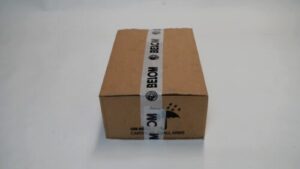
For larger practice plans, Red Star Ordnance also lists RedStar Ordnance 12 Gauge 9 Pellet 2 3/4 in Case of 250.
Build Your Next Practice Plan
Pattern testing should lead to better practice. Once you know how your load performs, plan drills around that knowledge.
Use the same load at known distances. Confirm results during future sessions. If you change shotgun setup, choke, or load, test again.
That is the beauty of shotgun pattern testing. It turns the shotgun from “loud tube with opinions” into a tool you understand.
Conclusion
Shotgun pattern testing helps you choose your best load with real evidence. Use clean targets, one shot per target, clear notes, and separate buckshot and slug work.
For shotgun ammunition, AK-based sporting rifles, and range-ready products, visit Red Star Ordnance.