
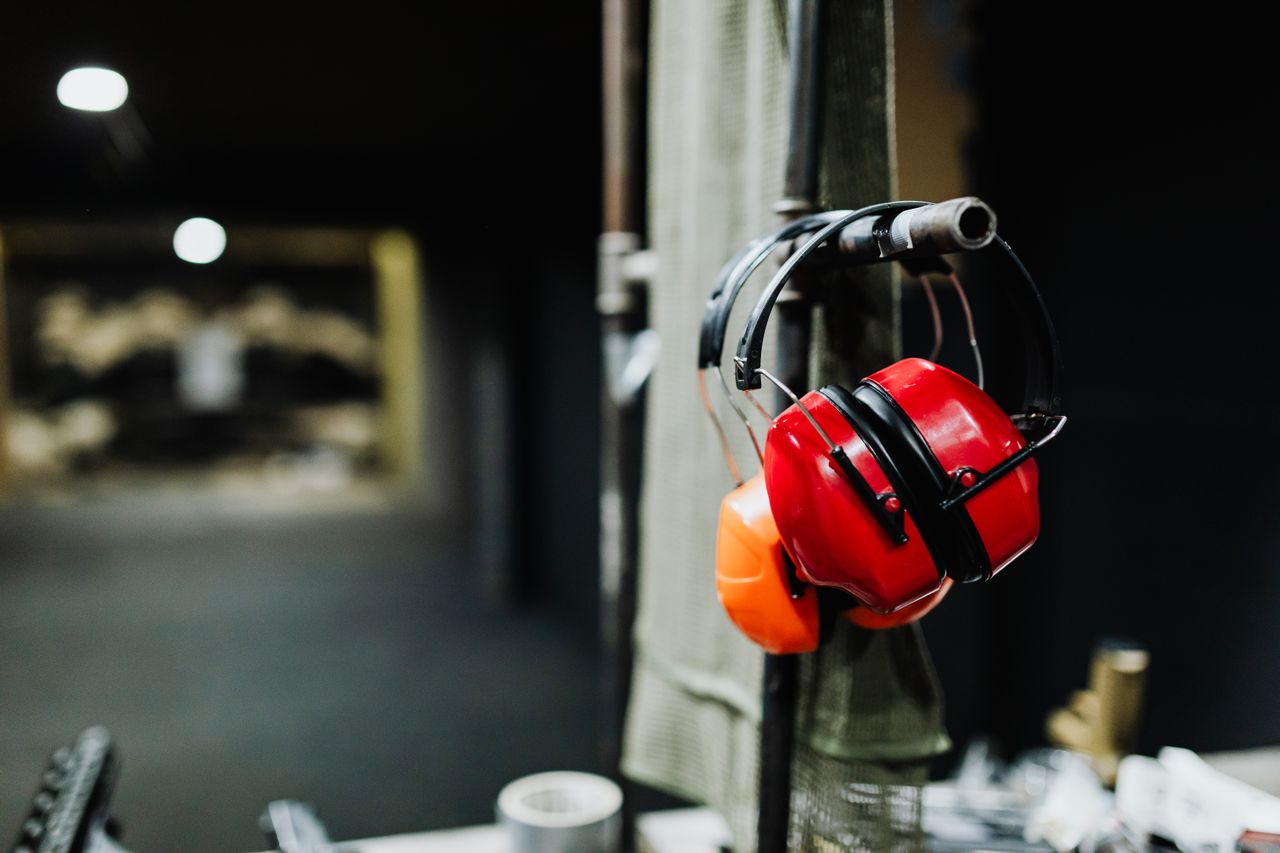
A range day with a new shooter should feel organized, calm, and predictable. The first visit does not need a long equipment list or an ambitious performance goal. It needs clear safety expectations, qualified supervision, suitable protective equipment, and enough time for questions. When the experienced person tries to demonstrate everything at once, the newcomer usually remembers the noise and very little else.
Choose the Right Facility
Look for a range that welcomes first-time visitors and offers qualified instruction. Ask about orientation, age requirements, reservations, rentals, ammunition rules, and accessibility. Explain that one participant has no or limited experience.
Do not assume that every range uses the same procedures. Review the current rules on the facility’s website and confirm anything unclear by phone or email. Staff can recommend the appropriate lane, class, or introductory option for that specific location.
Use Qualified Instruction
An experienced friend can provide reassurance, but a qualified instructor brings a structured safety process and facility knowledge. Consider booking an introductory class or individual session. Let the instructor set the sequence and pace.
Avoid turning the visit into a test of the newcomer’s confidence. Questions and pauses are part of learning. If the person feels uncomfortable, stop without debate. A successful first day can consist of a safety briefing, observation, and a few carefully supervised steps.
Explain the Safety Rules Before Arrival
Discuss the core firearm safety rules in a quiet environment before entering the range. Explain that the range officer’s commands take priority and that the participant should ask whenever an instruction is unclear. Keep the explanation direct and serious without trying to create fear.
Review Red Star’s range safety basics as a starting point. Facility orientation still applies. General knowledge prepares the visitor to listen, while on-site staff explain the rules for that range.
Keep Equipment Simple
Bring approved eye and hearing protection that fits correctly. Double hearing protection may be appropriate where the facility recommends it. Avoid a large collection of unfamiliar accessories. The instructor or range can advise on suitable equipment for the session.
Check clothing and footwear requirements in advance. Closed shoes and clothing that helps protect against hot brass may be recommended. Comfort matters because discomfort competes with attention. A new shooter should focus on instructions, not fight sliding earmuffs or an oversized jacket.
Confirm Ammunition and Firearm Policies
If you bring personal equipment, confirm that the range permits the firearm and exact ammunition. Keep ammunition in labeled packaging. Allow staff to perform required inspections and follow all transport and arrival procedures.
The guide to range ammunition rules explains what to verify. Do not surprise the new visitor with a policy dispute at the counter. Resolve compatibility and facility questions before the day begins.
Set One Modest Goal
Choose a goal such as understanding range commands, practicing safe handling under supervision, and completing a short introductory session. Avoid score targets, speed, or comparisons with experienced shooters. Those goals add pressure without improving the foundation.
Tell the newcomer what the session will include and how long it may last. Leave room to finish early. A positive thirty-minute experience can be more valuable than a two-hour session that becomes tiring and confusing.
Give Instructions One at a Time
Let the qualified instructor lead. Avoid adding a second stream of corrections from behind the shooter. Too many voices make even simple instructions difficult to process, especially in a noisy environment.
If you notice a concern, alert the instructor or range officer appropriately. Do not reach toward the firearm or the shooter without direction. Clear roles support safety: the instructor instructs, the participant listens, and the companion provides calm support.
Plan Breaks
Range noise, protective equipment, and concentration can create fatigue. Schedule short breaks away from the firing line according to facility rules. Use them to check comfort and answer questions without shouting through hearing protection.
Watch for frustration or sensory overload. Do not encourage someone to continue merely because ammunition remains. The session ends when attention or comfort declines. Unused rounds can return to secure storage; a poor first impression is harder to pack away.
Review the Visit Afterwards
After leaving the firing area and securing equipment according to range rules, ask what felt clear and what remained confusing. Keep the discussion supportive. Do not turn every observation into an immediate lesson.
Red Star’s first shotgun range session guide offers additional preparation ideas for an appropriate supervised visit. A range day with a new shooter succeeds when safety, understanding, and comfort come before volume or performance.