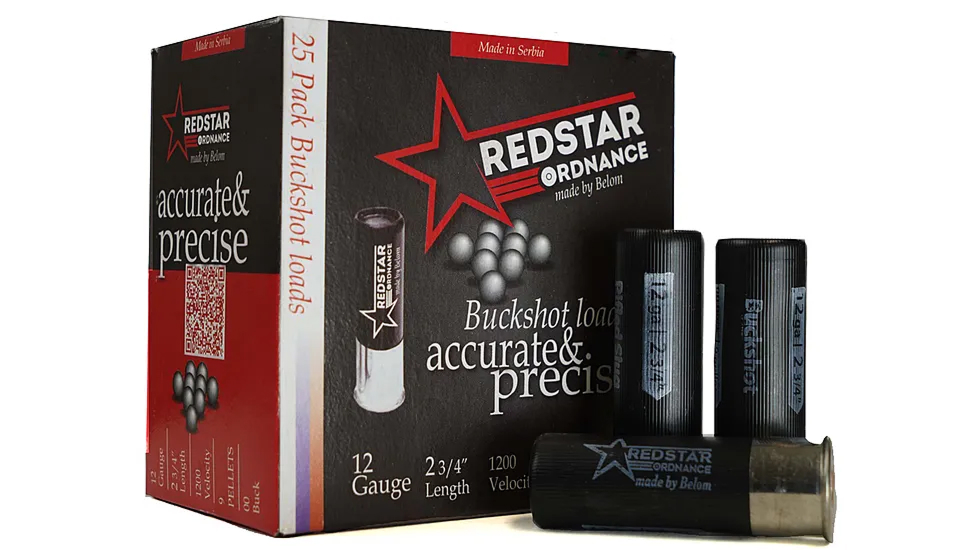
12 gauge ammunition box labels contain more useful information than the large number on the front. Shell length, load type, projectile information, velocity, quantity, and warnings all help buyers identify what a package contains. Reading those details matters because products within the same gauge are not interchangeable by default. The firearm’s manual, the markings on the firearm, and the range’s rules must all agree with the product you plan to use.
Start With Gauge and Shell Length
Confirm the gauge first, then read the shell length exactly as printed. Do not rely on box color, brand familiarity, or the fact that another shooter uses a similar package. The firearm must be designed for that gauge and shell length.
Check the barrel markings and owner’s manual before purchase. If the markings are worn, unclear, or appear to conflict with the manual, stop and ask the manufacturer or a qualified gunsmith. Ammunition selection is not a suitable place for “close enough.”
Identify the Load Category
The package should identify whether it contains birdshot, buckshot, a slug, or another load. These categories describe different products with different intended applications. A range may permit one category and prohibit another, even when both use the same gauge.
Red Star’s sporting ammunition page provides current product categories and listings. Use the exact product description when asking a range or seller a question. “Regular 12 gauge” does not provide enough information for a reliable answer.
Read Shot Size or Slug Information
For shotshells, the label may identify the shot size and pellet count. For slugs, it may list the slug type and weight. Do not treat these numbers as a quality ranking. They describe the load and help distinguish products.
Match the information to the firearm manufacturer’s guidance and the intended lawful activity. If a term is unfamiliar, ask the seller or manufacturer for an explanation. An online chart can provide background, but the product label and official documentation remain the sources for the package in your hand.
Understand Weight and Velocity Figures
Boxes may list payload weight and advertised muzzle velocity. These figures can help compare products, but they do not predict the exact experience in every firearm. Barrel length, measurement standards, and other factors can affect real-world results.
Avoid choosing a product simply because one number is larger. Comfort, compatibility, facility rules, and the intended purpose all matter. If recoil is a concern, seek qualified instruction and manufacturer guidance rather than using the label as a complete performance forecast.
Check the Quantity
Read the number of shells in the box and, for cases, the number of boxes or total rounds. Similar packaging can hold different quantities. Compare the total product count when considering price, storage, and transport.
Keep ammunition in its original labeled packaging whenever practical. The label preserves lot and product details that may matter later. A pile of loose shells may save a little shelf space, but it removes exactly the information you need when a question appears.
Look for Material Information
Some packages identify projectile, shot, or case materials. Range policies may restrict certain materials, so read the wording carefully and ask the facility what it needs to know. Do not assume that one material term describes the entire cartridge.
If the box does not answer the range’s question, contact the manufacturer with the full product name and lot information. Let range staff perform any required inspection. Never alter packaging or conceal product details to bypass a facility rule.
Read Every Warning
Manufacturer warnings can address firearm compatibility, storage, handling, and other safety issues. Read them before use and keep the box available for reference. Do not cover warning text with price stickers or transfer ammunition to an unlabeled container.
Review range safety basics before a first visit. Product information and safe handling serve different purposes, and both matter. A correct label does not replace safe behavior, training, or range instructions.
Record the Lot Number
The lot number connects the package to a production batch. Keep it available, especially if you split a case across several trips. A quick photograph of the label can preserve the information if the outer carton becomes damaged.
If you observe a product concern, stop using the ammunition and contact the manufacturer. Provide the full product name, lot number, purchase information, and a factual description. Do not continue firing rounds from the same package to determine whether the condition repeats.
Confirm Before Range Day
Ask the facility whether the exact product meets its current policy. The article on checking range ammunition rules provides a useful preparation process. Keep the package with you so staff can verify the details.
12 gauge ammunition box labels become easier to read once you follow the same order: gauge, length, load, projectile information, velocity, quantity, materials, warnings, and lot number. That short routine helps buyers ask better questions and keeps preventable surprises out of range day.