A lot of shotgun frustration starts with the target, not the load. If the target is too small, too vague, or placed with no real plan, the whole session becomes harder to read. That is why shotgun target setup basics matter so much. Clear targets create clear feedback. Clear feedback creates better practice. Funny how that works.
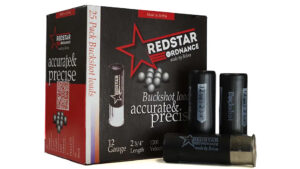
Red Star Ordnance currently lists two main 12-gauge sporting loads on its site: RedStar Ordnance 12 Gauge 9 Pellet 2 3/4 in and RedStar Ordnance 12 Gauge 1oz 2 3/4 in, plus bulk case options for each. The 00 buck listing shows 25 rounds, 9 pellets, 2 3/4-inch shell length, and 1200 ft/s muzzle velocity.
The rifled slug listing shows 10 rounds, 1-ounce slug weight, 2 3/4-inch shell length, and 1600 ft/s muzzle velocity. Those different load types deserve different target plans from the start.
Use a Clear Aiming Point
Every target should give your eye an obvious place to aim. That does not need to look fancy. It just needs contrast and clarity. A vague target creates vague results, and vague results usually lead to the timeless range tradition of guessing with confidence.
For buckshot work, a clean center mark helps you read pattern spread better. For slug work, a defined aiming point helps you judge precision and point of impact more honestly. The load changes. The need for clarity does not.
Separate Buckshot and Slug Targets
Do not mix buckshot and slug work on the same target setup like it is all one happy family. Buckshot and slugs give different feedback, so the target plan should reflect that. Buckshot targets should help you read spread and pellet placement. Slug targets should help you read precise impact.
That separation makes your notes much cleaner too. You stop trying to remember which hole came from what and start seeing exactly what the load did. Range confusion loves mixed targets. Good practice does not.
Keep Distances Organized
A smart target setup also needs clean distance planning. If you move the target, note the distance. If you change the load, note that too. The session should tell a simple story when you look back at it later.
This is especially useful with Red Star Ordnance’s current shotgun loads because the site lists clear differences in pellet count, projectile type, round count, and muzzle velocity between the 00 buck and rifled slug products. Those details matter more when your target setup actually helps you compare results in an organized way.
Use Fresh Targets More Often Than You Think
People try to save targets for too long. Then the paper looks like abstract art and nobody knows what happened. A fresh target costs less than wasted ammo and confusion. Change targets when the information starts to blur together.
That small habit saves a lot of frustration. It also makes your notebook easier to trust. If the target looks clean, your conclusions usually do too.
Build a Setup You Can Repeat
The best target system is the one you can recreate next time without effort. Use the same style, the same notes, and the same simple logic. That repeatability turns one decent range day into a useful long-term routine.
Strong shotgun target setup basics make every shell count more. You get clearer feedback, cleaner comparisons, and a range session that actually teaches something.
For the full Red Star Ordnance sporting lineup, start here.